Original context on the technology, platforms, and customer behavior affecting restaurants, weddings, medicine, and marketing. Every brief links to its source and discloses relevant relationships.
The practical line is clearer than it looks: claims must be truthful, paid relationships obvious, and every patient image, testimonial and review response handled as a privacy decision.
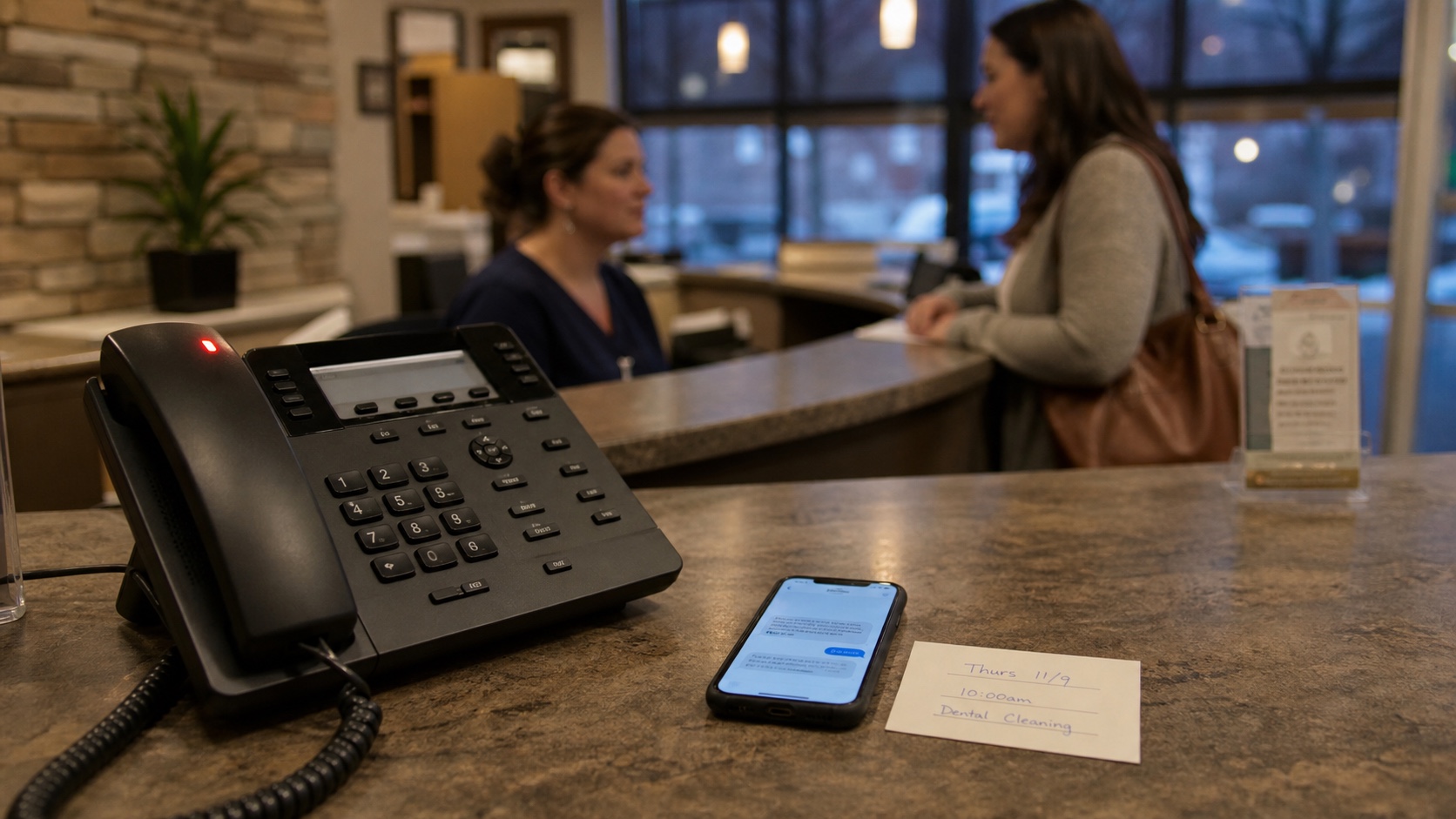
ADA research shows administrative efficiency is a leading adoption path, but the useful benefit is not a robot receptionist—it is fewer missed handoffs and more staff time for complex conversations.
Missed-call recovery, text follow-up, self-booking and human escalation are converging into one patient-engagement workflow—raising both convenience and compliance questions.
A Business Associate Agreement is not a generic confidentiality promise. It is the HIPAA contract required when an agency handles protected health information on behalf of a covered clinic.
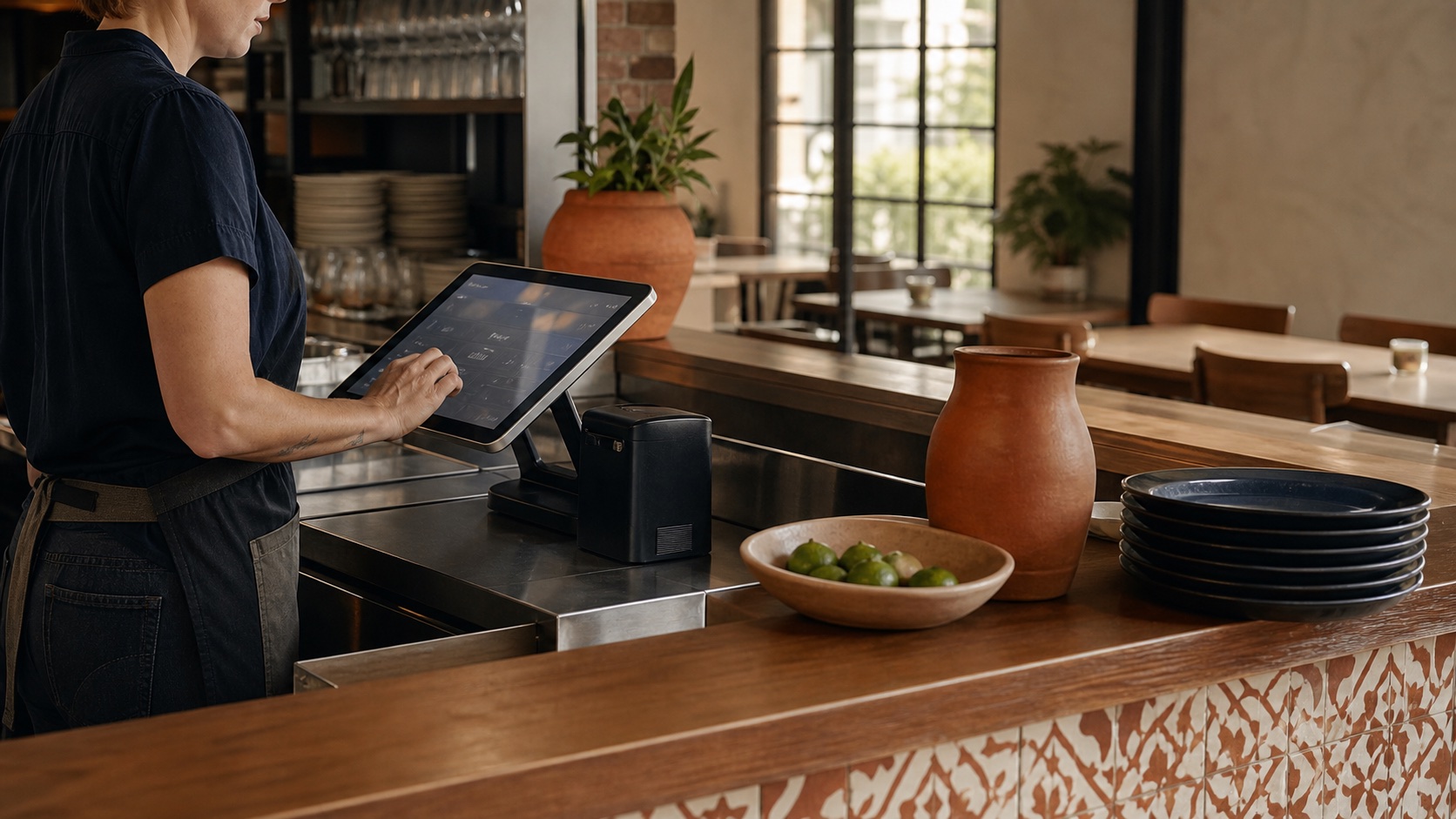
Industry data points to a practical mix—marketing, administration, menus, scheduling, ordering and inventory—while showing that adoption remains far from universal.
A WeddingPro event for nearly 100 local professionals put relationship-building, portfolio feedback, and better inquiry conversations at the center of growth.
A recent source analysis argues that accurate websites, professional profiles and public records matter before practices spend on specialized AI-visibility services.
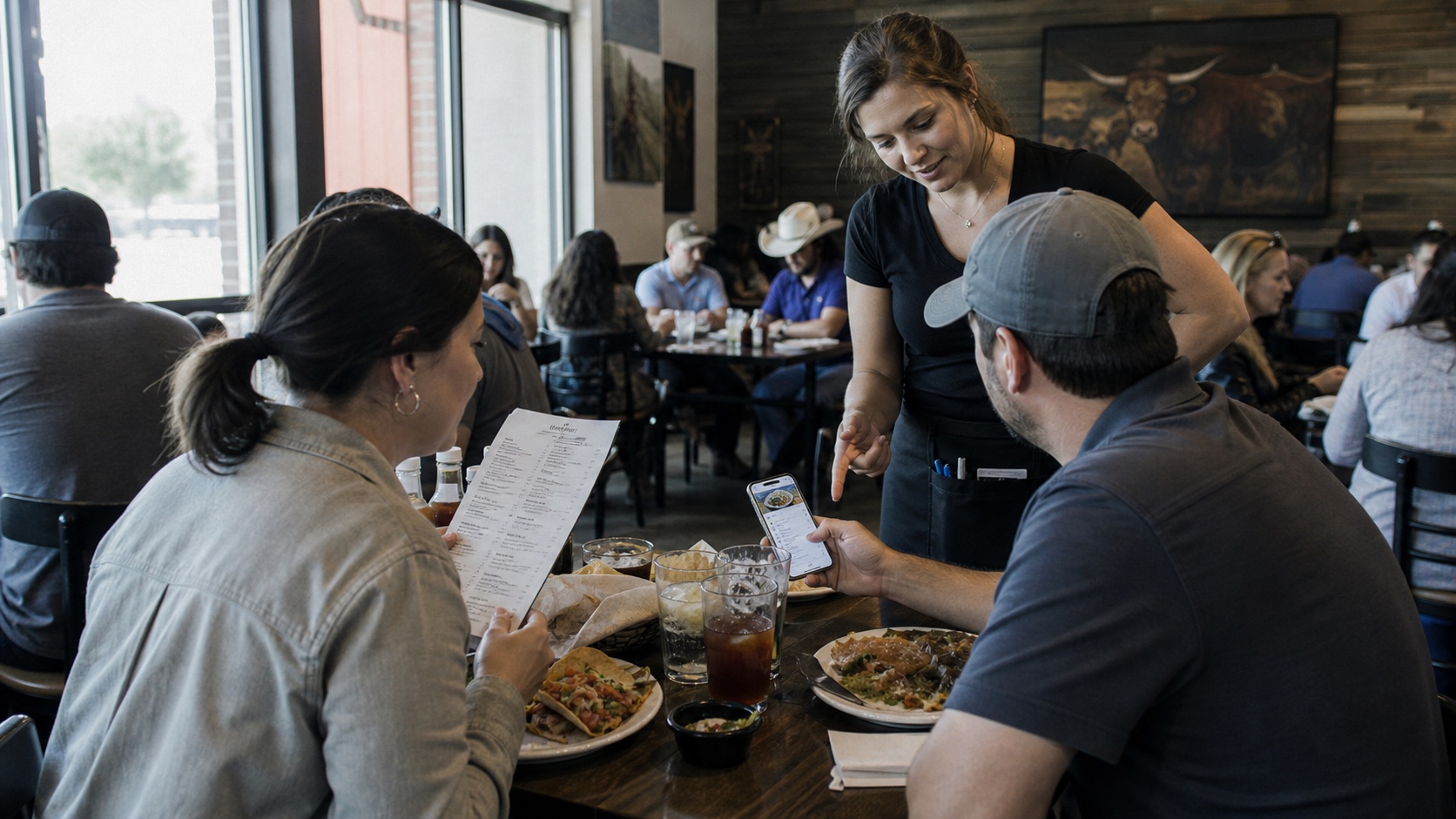
A vendor-sponsored U.S. survey points to growing acceptance of AI for speed, consistency and relevant offers, provided restaurants remain transparent and reachable by humans.
A recurring APM Visual restaurant-marketing theme offers a useful measurement check: attention is only valuable when it reinforces the brand guests should remember.